An extraordinary number of flowers are brightening roadsides and trails right now, transforming the desert’s tawny browns and beiges into a vibrant tapestry of color. It’s an ideal time to plan a trip to see lupine, desert lily, primrose, and poppies in bloom.
To help time your visit, you can also consult this California Superbloom Forecast tool, an interactive map that uses recent wildflower data to estimate when and where blooms may peak across the state. These tools can be a helpful planning aid, highlighting likely hot spots and bloom windows based on past conditions and observations. But remember: Mother Nature keeps her own schedule. These predictions can guide your trip, but they aren’t a guarantee—conditions vary widely depending on rainfall, temperature, and other factors. Check local park reports before heading out for the most up-to-date information, and always explore responsibly.
Your wildflower tour awaits in this guide of great places to spot desert blooms.
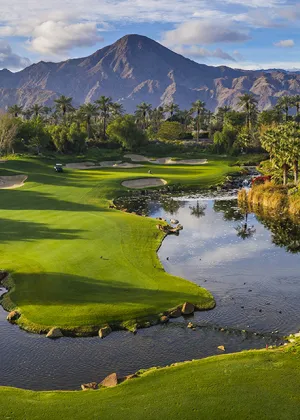
Greater Palm Springs
Make a weekend getaway to Palm Springs or any neighboring Coachella Valley town right now, and you’ll see purple sand verbena, yellow brittlebush, and brown-eyed primrose blooming alongside trails and roads. Go for a hike in Mission Creek Preserve in Desert Hot Springs to see and smell fragrant brittlebush and desert lavender lining the wash surrounding the creek.
In Palm Springs, visit the Indian Canyons to see showy, magenta-hued Arizona lupine and even showier beavertail prickly-pear cactus. An easy stroll through Andreas Canyon reveals more than 150 species of plants in a half-mile radius, including colorful fiddlenecks and poppies.
To the east in Thousand Palms, yellow-flowered brittlebush colors the sands of Thousand Palms Oasis Preserve. Since late January, the ridgeline trail to Pushwalla Palms has been lined with hundreds of gold desert dandelions.
Anza-Borrego Desert State Park
Early March is often the peak of Anza-Borrego’s wildflower show, but the flowers got a head start this year after receiving nearly 3.5 inches of rain in November and December. Since early January, sand verbena, desert lily, evening primrose, and desert sunflowers have been blooming with exuberance. January’s prolonged heat spell took a toll on some blossoms, but February’s rains have given them a welcome boost into March.
Before traveling to Anza-Borrego Desert State Park, download this map to guide you to flower hot spots, and check the Anza Borrego Foundation’s website for current photos and locations.
For easy petal-peeping, drive paved Henderson Canyon Road just outside the town of Borrego Springs. Since early January, large swaths of purple sand verbena and clusters of evening primrose and brown-eyed primrose have been wowing the crowds here. An easy cruise along the paved S-22 highway shows off more verbena plus delicate desert bloomers like the yellow-orange Parish’s poppy (not the classic California poppy but its desert cousin).
With a high-clearance or all-wheel-drive vehicle, you can drive the first 5.2 miles of Coyote Canyon Road and see a greater variety of species. Apricot mallow, purple desert phacelia, desert lily, and Fremont’s pincushion can be viewed alongside more common verbena, primrose, and sunflowers. If you’re in search of fragrant desert lilies, drive the dirt road to Arroyo Salado Primitive Camp.
Hikers who follow the 3-mile Borrego Palm Canyon Trail to the palm oasis will find flaming red ocotillos and chuparosa, white datura, purple desert phacelia, yellow Parish’s poppy, and lavender bush mallow.
Joshua Tree National Park
Joshua Tree National Park experienced an unusually balmy January followed by heavy frost on February 11, but the high desert is accustomed to extreme temperature swings. The park’s namesake Joshua trees and their cousins, the Mojave yucca, have been pushing out creamy white blooms since early January. Smaller wildflowers are abundant in the lower elevations around Cottonwood and Pinto Basin near the park’s southern entrance. Walk the easy Bajada Trail to see bladder pod, desert gold, brittlebush, Arizona lupine, and poppies.
Near the Twentynine Palms entrance on Joshua Tree’s northeast side, watch for wildflowers in the alluvial fans and foothills just beyond the entrance station. By late February and March, flowers will start blooming in the park’s middle elevations near Hidden Valley and Arch Rock. By late March, the bloom will expand to the highest elevations near Black Rock Canyon on the park’s northwest edge.
Antelope Valley California Poppy State Natural Reserve
As of Feb. 17, the livestream “Poppy Cam” at Antelope Valley California Poppy State Natural Reserve, 75 miles northeast of Los Angeles, shows grasses turning green and a few early-blooming poppies—California’s state flower—popping up in response to January’s unseasonably warm weather.
It’s still “pre-season” at the reserve, but February’s rains should set the stage for a poppy extravaganza in March, with plump orange blossoms blanketing the grassy slopes (check the Poppy Cam for daily updates). The park’s Jane Pinheiro Interpretive Center will reopen March 1, and that’s when the Poppy Hotline goes active; phone 661-724-1880.
Death Valley National Park
Wildflowers are currently showing their colors on alluvial fans and broad washes. It’s a “good bloom year,” according to Death Valley’s wildflower web page. “Low-elevation flowers have started blooming and will likely persist until mid-late March, depending on the weather.”
As of mid-February, brown-eyed primrose, phacelia, desert gold, and Mojave desert star are blooming along Highway 190 between Stovepipe Wells and Furnace Creek. On South Badwater Road, sand verbena, desert gold, five spot, and brown-eyed primrose are flowering.
Death Valley Natural History Association director David Blacker promised, via press release, that “Death Valley is poised for a better-than-average bloom,” adding that the duration of the bloom “depends entirely on the weather. We need mild temperatures and mild winds. If we get them, we could have flowers into May.”
Carrizo Plain National Monument
This vast national monument east of San Luis Obispo is not a desert, but it blooms in the same early spring months. Encompassing nearly 250,000 acres of California’s largest remaining native grasslands, Carrizo Plain's prairies turn green and flowery following winter rains.
As of mid-February, visitors are reporting colorful splashes of hillside daisies, orange poppies, and blue phacelia carpeting the west-facing slopes of the Temblor Range, especially near Caliente Ridge and Selby Campground. In a press release, monument manager Johna Hurl notes that more wildflowers are sprouting every day, adding that “displays seem to be earlier this year due to the early rains and warm temperatures.”
Some of the monument’s roads may be impassable due to recent rains. Other roads, including Elkhorn Grade, typically require high-clearance or four-wheel-drive. Check the monument’s Facebook page for flower updates and road conditions, or phone the Goodwin Education Center at 661-391-6191.
The desert’s bloom is only Mother Nature’s first act: Wildflowers will continue blooming elsewhere in California for months to come, especially in Northern California and in higher elevations across the state.